
Human Factors and Ergonomics Engineers
Human factors and ergonomics engineers design objects, facilities, and environments to optimize human well-being and overall system performance, applying theory, principles, and data regarding the relationship between humans and respective technology.
Opening this tab’s Trail…
Fictional preview only. Closing this tab or clearing browser data can remove this work; no account or cloud sync.
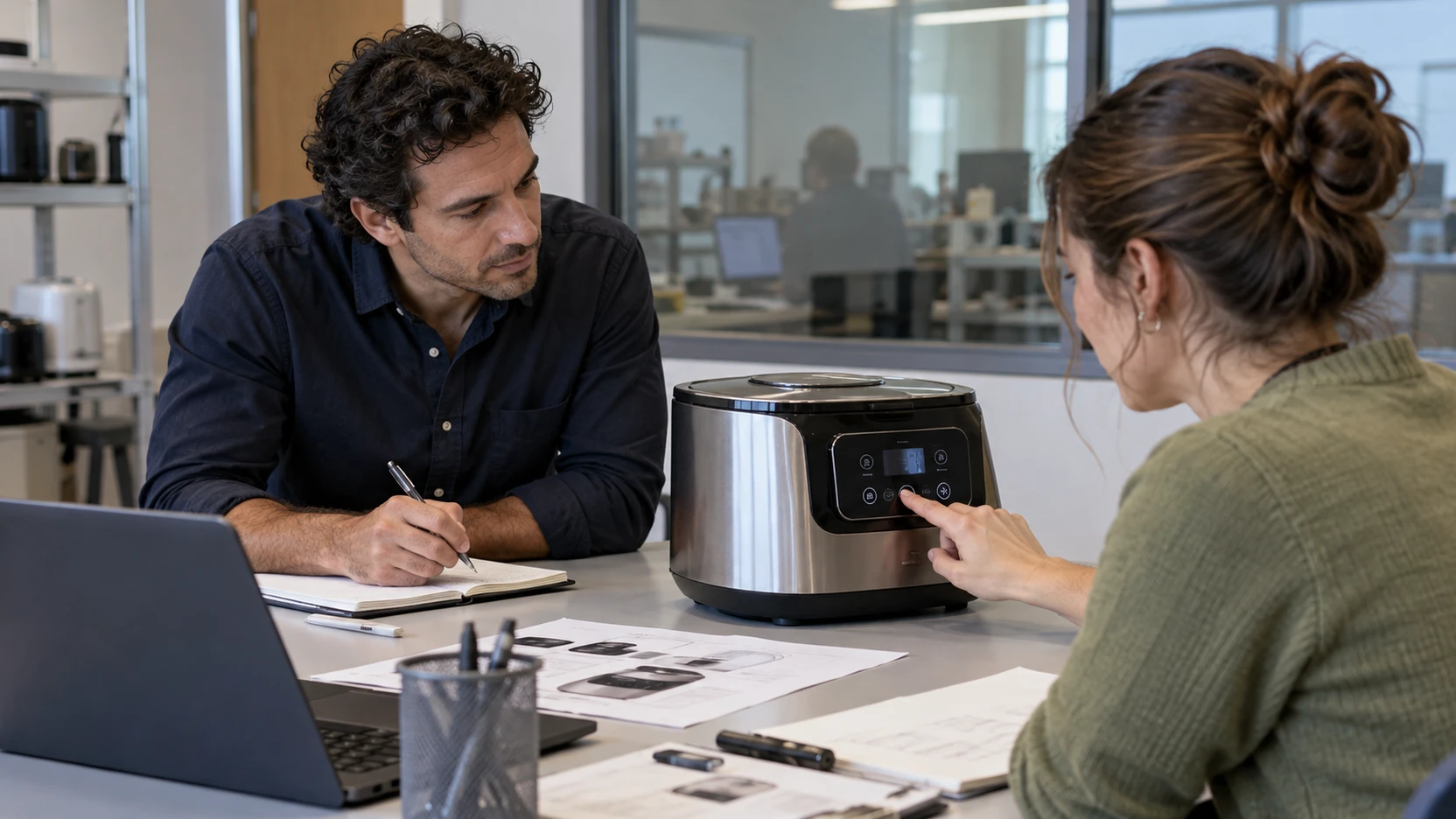
What the work involves
O*NET task statements for this occupation.
- Collect data through direct observation of work activities or witnessing the conduct of tests.
- Conduct interviews or surveys of users or customers to collect information on topics, such as requirements, needs, fatigue, ergonomics, or interfaces.
- Advocate for end users in collaboration with other professionals, including engineers, designers, managers, or customers.
See 21 more tasks
- Inspect work sites to identify physical hazards.
- Prepare reports or presentations summarizing results or conclusions of human factors engineering or ergonomics activities, such as testing, investigation, or validation.
- Recommend workplace changes to improve health and safety, using knowledge of potentially harmful factors, such as heavy loads or repetitive motions.
- Perform functional, task, or anthropometric analysis, using tools, such as checklists, surveys, videotaping, or force measurement.
- Provide technical support to clients through activities, such as rearranging workplace fixtures to reduce physical hazards or discomfort or modifying task sequences to reduce cycle time.
- Assess the user-interface or usability characteristics of products.
- Establish system operating or training requirements to ensure optimized human-machine interfaces.
- Integrate human factors requirements into operational hardware.
- Review health, safety, accident, or worker compensation records to evaluate safety program effectiveness or to identify jobs with high incidence of injury.
- Design or evaluate human work systems, using human factors engineering and ergonomic principles to optimize usability, cost, quality, safety, or performance.
- Write, review, or comment on documents, such as proposals, test plans, or procedures.
- Train users in task techniques or ergonomic principles.
- Conduct research to evaluate potential solutions related to changes in equipment design, procedures, manpower, personnel, or training.
- Provide human factors technical expertise on topics, such as advanced user-interface technology development or the role of human users in automated or autonomous sub-systems in advanced vehicle systems.
- Develop or implement human performance research, investigation, or analysis protocols.
- Develop or implement research methodologies or statistical analysis plans to test and evaluate developmental prototypes used in new products or processes, such as cockpit designs, user workstations, or computerized human models.
- Estimate time or resource requirements for ergonomic or human factors research or development projects.
- Design cognitive aids, such as procedural storyboards or decision support systems.
- Analyze complex systems to determine potential for further development, production, interoperability, compatibility, or usefulness in a particular area, such as aviation.
- Investigate theoretical or conceptual issues, such as the human design considerations of lunar landers or habitats.
- Operate testing equipment, such as heat stress meters, octave band analyzers, motion analysis equipment, inclinometers, light meters, thermoanemometers, sling psychrometers, or colorimetric detection tubes.
Try a related activity
Ask two willing classmates what they need before making a paper idea.
30 minutes · With willing classmates
Listen before designingSkills, knowledge and working conditions
Skills used
- Reading Comprehension
- Active Listening
- Writing
- Speaking
- Complex Problem Solving
- Judgment and Decision Making
- Systems Evaluation
- Social Perceptiveness
Knowledge that helps
- Psychology
- English Language
- Design
- Engineering and Technology
- Education and Training
- Mathematics
- People contact
- Contact with others most of the time · 50% selected this answer
- Time sitting
- More than half the time · 45% selected this answer
- Outside in the weather
- Once a year or more but not every month · 68% selected this answer
- Teamwork
- Very important · 39% selected this answer
Education and training
- Typical entry education
- Bachelor's degree
- BLS group: Industrial engineers
- Overall preparation
- Job Zone 5
- Job Zone Five: Extensive Preparation Needed
Training and experience
Most of these occupations require graduate school. For example, they may require a master's degree, and some require a Ph.D., M.D., or J.D. (law degree).
None
Pay and employment
Median annual pay
$102,440
8 in 10 earn $74,370–$159,860 · May 2025 · BLS group: Industrial engineers
National job outlook
2025–35 · BLS group: Industrial engineers
Compare states on the map
Where people work
May 2025 · BLS state estimates
Hover to preview; select a state to keep its details. Zoom and scroll for a closer look, or use the state menu. On the map, arrow keys move through states alphabetically. Enter or Space selects a state.
These are jobs people already hold, not vacancies. Self-employed workers are not included.
About these figures and the map
Shading compares states with published estimates for Industrial Engineers. Concentration means jobs in this occupation per 1,000 employed people in a state. Total jobs means estimated employment, not openings. The figures exclude self-employed workers. Striped gray states have no published estimate for the selected measure; that does not mean no one works there.
Boundaries: US Atlas / US Census. Larger states occupy more map area; their size does not indicate more jobs.
Occupation interest pattern
Interest pattern
What this work leans on
Career ratings are out of 7. Your completed quiz totals are out of 50. These are different scales; the overall pattern matters, not equal bar lengths or ability.
- Investigating (Investigative)6.2Career rating 6.2 of 7. No personal quiz comparison.
- Building (Realistic)4.5Career rating 4.5 of 7. No personal quiz comparison.
- Organizing (Conventional)4.4Career rating 4.4 of 7. No personal quiz comparison.
- Creating (Artistic)2.6Career rating 2.6 of 7. No personal quiz comparison.
- Leading (Enterprising)2.6Career rating 2.6 of 7. No personal quiz comparison.
- Helping (Social)2.1Career rating 2.1 of 7. No personal quiz comparison.
More specific themes
- Social Science
- Mathematics/Statistics
- Engineering
Related careers to explore
- Health and Safety Engineers
- Industrial Engineers
- Biomedical and Biological Engineers
- Data Scientists
- Computer Research Scientists
- Nursing and Healthcare IT Specialists
- Robotics Engineers
- Mechatronics Engineers
- Industrial Engineering Technicians
- Software Quality Analysts and Testers
- Cybersecurity Testers
- Mechanical Engineering Technicians
- Nanotechnology Technicians
- Workplace Health and Safety Technicians
- Mechanical Engineers
- Workplace Health and Safety Specialists
- Electrical and Electronics Engineering Technicians
Take a closer look
Investigate one question.
Choose something you still want to understand. Start with the information on this page, or look for a person describing their work.
- What does someone in this job spend time doing?
- What is challenging about the work, and how do they handle it?
- What changes when this job is done in a different workplace?
Find and check an example
This link searches Google in a new tab. Results have not been selected or checked by Kairos. Use your school’s browsing guidance; searching is optional.
The search uses this career’s public title, never your answers or notes.
- Check who made it, when it was made, and which job and workplace it describes.
- Look for a specific example that helps answer your question. A personal story describes one experience, not every job.
- Compare it with this page or a second source. Keep track of what is still uncertain.
For a closer comparison, explain why two people in the same occupation might describe different days.
If you want to return to this career, use “Save to my trail” above. In Trail, write a reason it interests you or a question to follow up.
Open my trail