
Fire Inspectors and Investigators
Fire inspectors and investigators inspect buildings to detect fire hazards and enforce local ordinances and state laws, or investigate and gather facts to determine cause of fires and explosions.
Opening this tab’s Trail…
Fictional preview only. Closing this tab or clearing browser data can remove this work; no account or cloud sync.
What the work involves
O*NET task statements for this occupation.
- Prepare and maintain reports of investigation results, and records of convicted arsonists and arson suspects.
- Testify in court cases involving fires, suspected arson, and false alarms.
- Package collected pieces of evidence in securely closed containers, such as bags, crates, or boxes, to protect them.
See 19 more tasks
- Conduct inspections and acceptance testing of newly installed fire protection systems.
- Analyze evidence and other information to determine probable cause of fire or explosion.
- Photograph damage and evidence related to causes of fires or explosions to document investigation findings.
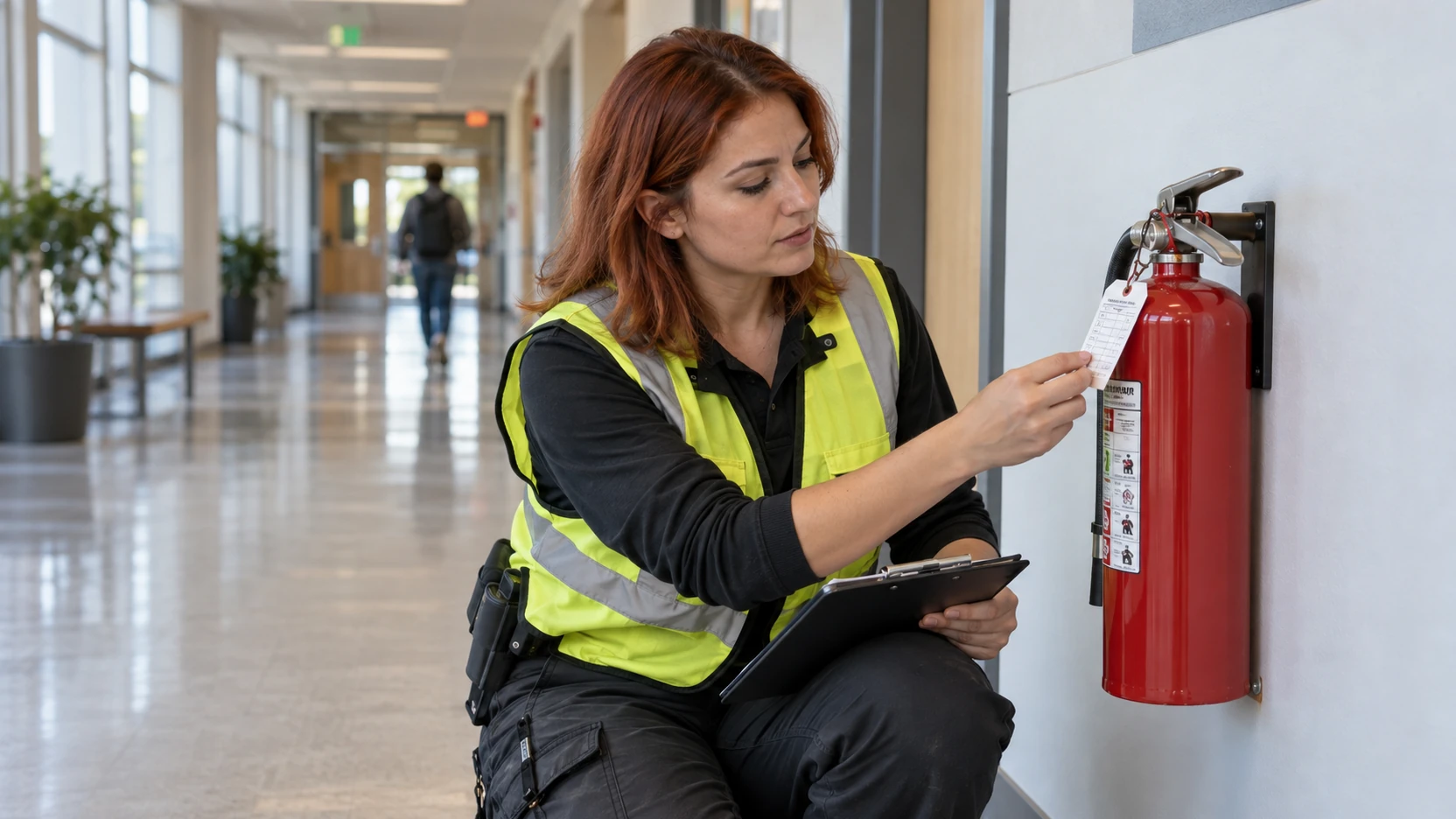
- Inspect buildings to locate hazardous conditions and fire code violations, such as accumulations of combustible material, electrical wiring problems, and inadequate or non-functional fire exits.
- Examine fire sites and collect evidence such as glass, metal fragments, charred wood, and accelerant residue for use in determining the cause of a fire.
- Instruct children about the dangers of fire.
- Conduct fire code compliance follow-ups to ensure that corrective actions have been taken in cases where violations were found.
- Inspect properties that store, handle, and use hazardous materials to ensure compliance with laws, codes, and regulations, and issue hazardous materials permits to facilities found in compliance.
- Write detailed reports of fire inspections performed, fire code violations observed, and corrective recommendations offered.
- Identify corrective actions necessary to bring properties into compliance with applicable fire codes, laws, regulations, and standards, and explain these measures to property owners or their representatives.
- Develop or review fire exit plans.
- Inspect and test fire protection or fire detection systems to verify that such systems are installed in accordance with appropriate laws, codes, ordinances, regulations, and standards.
- Coordinate efforts with other organizations, such as law enforcement agencies.
- Attend training classes to maintain current knowledge of fire prevention, safety, and firefighting procedures.
- Review blueprints and plans for new or remodeled buildings to ensure the structures meet fire safety codes.
- Teach fire investigation techniques to other firefighter personnel.
- Conduct fire exit drills to monitor and evaluate evacuation procedures.
- Teach public education programs on fire safety and prevention.
- Recommend changes to fire prevention, inspection, and fire code endorsement procedures.
A question about this career
Which part of this work would you like to see in person? Save this career to your Trail and keep the question beside it.
Open my TrailSkills, knowledge and working conditions
Skills used
- Active Listening
- Writing
- Speaking
- Critical Thinking
- Social Perceptiveness
- Persuasion
- Instructing
- Service Orientation
Knowledge that helps
- Public Safety and Security
- Customer and Personal Service
- Building and Construction
- Law and Government
- Education and Training
- English Language
- People contact
- Constant contact with others · 92% selected this answer
- Time sitting
- Less than half the time · 55% selected this answer
- Outside in the weather
- Once a week or more but not every day · 48% selected this answer
- Teamwork
- Extremely important · 50% selected this answer
Education and training
- Typical entry education
- Postsecondary nondegree award
- BLS figure for this job
- Overall preparation
- Job Zone 3
- Job Zone Three: Medium Preparation Needed
Training and experience
Most occupations in this zone require training in vocational schools, related on-the-job experience, or an associate's degree.
Moderate-term on-the-job training
5 years or more
Pay and employment
Median annual pay
$75,920
8 in 10 earn $46,530–$118,750 · May 2025 · BLS figure for this job
National job outlook
2025–35 · BLS figure for this job
Compare states on the map
Where people work
May 2025 · BLS state estimates
Hover to preview; select a state to keep its details. Zoom and scroll for a closer look, or use the state menu. On the map, arrow keys move through states alphabetically. Enter or Space selects a state.
These are jobs people already hold, not vacancies. Self-employed workers are not included.
About these figures and the map
Shading compares states with published estimates for Fire Inspectors and Investigators. Concentration means jobs in this occupation per 1,000 employed people in a state. Total jobs means estimated employment, not openings. The figures exclude self-employed workers. Striped gray states have no published estimate for the selected measure; that does not mean no one works there.
Boundaries: US Atlas / US Census. Larger states occupy more map area; their size does not indicate more jobs.
Occupation interest pattern
Interest pattern
What this work leans on
Career ratings are out of 7. Your completed quiz totals are out of 50. These are different scales; the overall pattern matters, not equal bar lengths or ability.
- Building (Realistic)5.5Career rating 5.5 of 7. No personal quiz comparison.
- Organizing (Conventional)5.2Career rating 5.2 of 7. No personal quiz comparison.
- Investigating (Investigative)4.3Career rating 4.3 of 7. No personal quiz comparison.
- Leading (Enterprising)3.3Career rating 3.3 of 7. No personal quiz comparison.
- Helping (Social)2.6Career rating 2.6 of 7. No personal quiz comparison.
- Creating (Artistic)1.0Career rating 1.0 of 7. No personal quiz comparison.
More specific themes
- Law
- Public Speaking
- Protective Service
Related careers to explore
- Fire Protection Engineers
- Firefighters
- Wildfire Inspectors and Prevention Specialists
- Fire Service Supervisors
- Building Inspectors
- Workplace Health and Safety Specialists
- Health and Safety Engineers
- Aviation Inspectors
- Environmental Compliance Inspectors
- Security and Fire Alarm Installers
- Emergency Management Directors
- Workplace Health and Safety Technicians
- Security Guards
- Security Managers
- Environmental Science Technicians
- Security Planning Specialists
- Security Supervisors
Take a closer look
Investigate one question.
Choose something you still want to understand. Start with the information on this page, or look for a person describing their work.
- What does someone in this job spend time doing?
- What is challenging about the work, and how do they handle it?
- What changes when this job is done in a different workplace?
Find and check an example
This link searches Google in a new tab. Results have not been selected or checked by Kairos. Use your school’s browsing guidance; searching is optional.
The search uses this career’s public title, never your answers or notes.
- Check who made it, when it was made, and which job and workplace it describes.
- Look for a specific example that helps answer your question. A personal story describes one experience, not every job.
- Compare it with this page or a second source. Keep track of what is still uncertain.
For a closer comparison, explain why two people in the same occupation might describe different days.
If you want to return to this career, use “Save to my trail” above. In Trail, write a reason it interests you or a question to follow up.
Open my trail