
Real Estate Appraisers and Assessors
Real estate appraisers and assessors appraise real estate, exclusively, and estimate its fair value.
Opening this tab’s Trail…
Fictional preview only. Closing this tab or clearing browser data can remove this work; no account or cloud sync.
What the work involves
O*NET task statements for this occupation.
- Compute final estimation of property values, taking into account such factors as depreciation, replacement costs, value comparisons of similar properties, and income potential.
- Prepare written reports that estimate property values, outline methods by which the estimations were made, and meet appraisal standards.
- Photograph interiors and exteriors of properties to assist in estimating property value, substantiate findings, and complete appraisal reports.
See 18 more tasks
- Search public records for transactions such as sales, leases, and assessments.
- Obtain county land values and sales information about nearby properties to aid in establishment of property values.
- Maintain familiarity with aspects of local real estate markets.
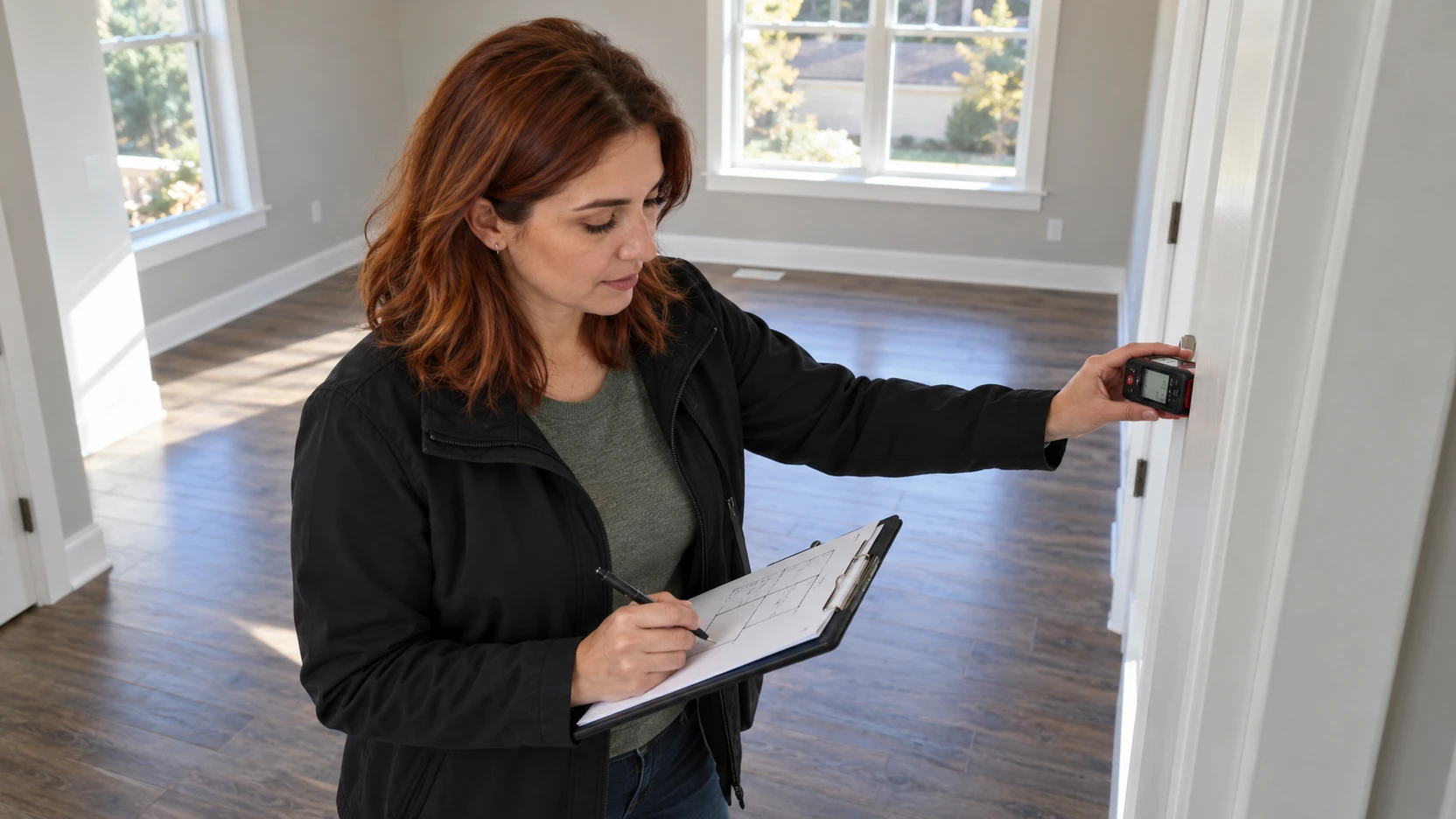
- Inspect properties, considering factors such as market value, location, and building or replacement costs to determine appraisal value.
- Collect and analyze relevant data to identify real estate market trends.
- Review information about transfers of property to ensure its accuracy, checking basic information on buyers, sellers, and sales prices and making corrections as necessary.
- Analyze trends in sales prices, construction costs, and rents, to assess property values or determine the accuracy of assessments.
- Inspect new construction and major improvements to existing structures to determine values.
- Check building codes and zoning bylaws to determine any effects on the properties being appraised.
- Interview persons familiar with properties and immediate surroundings, such as contractors, home owners, and realtors, to obtain pertinent information.
- Verify legal descriptions of properties by comparing them to county records.
- Evaluate land and neighborhoods where properties are situated, considering locations and trends or impending changes that could influence future values.
- Examine the type and location of nearby services, such as shopping centers, schools, parks, and other neighborhood features, to evaluate their impact on property values.
- Examine income records and operating costs of income properties.
- Estimate building replacement costs, using building valuation manuals and professional cost estimators.
- Draw land diagrams to be used in appraisal reports to support findings.
- Conduct regular reviews of property within jurisdictions to determine changes in property due to construction or demolition.
- Testify in court as to the value of a piece of real estate property.
A question about this career
Which part of this work would you like to see in person? Save this career to your Trail and keep the question beside it.
Open my TrailSkills, knowledge and working conditions
Skills used
- Reading Comprehension
- Active Listening
- Critical Thinking
- Writing
- Complex Problem Solving
- Judgment and Decision Making
- Coordination
- Social Perceptiveness
Knowledge that helps
- English Language
- Mathematics
- Building and Construction
- Customer and Personal Service
- Economics and Accounting
- Computers and Electronics
- People contact
- Contact with others most of the time · 54% selected this answer
- Time sitting
- More than half the time · 50% selected this answer
- Outside in the weather
- Every day · 43% selected this answer
- Teamwork
- Fairly important · 35% selected this answer
Education and training
- Typical entry education
- Bachelor's degree
- BLS group: Property appraisers and assessors
- Overall preparation
- Job Zone 4
- Job Zone Four: Considerable Preparation Needed
Training and experience
Most of these occupations require a four-year bachelor's degree, but some do not.
Long-term on-the-job training
Pay and employment
Median annual pay
$67,960
8 in 10 earn $40,030–$122,660 · May 2025 · BLS group: Property appraisers and assessors
National job outlook
2025–35 · BLS group: Property appraisers and assessors
State figures are unavailable for this occupation in the current collection.
Occupation interest pattern
Interest pattern
What this work leans on
Career ratings are out of 7. Your completed quiz totals are out of 50. These are different scales; the overall pattern matters, not equal bar lengths or ability.
- Organizing (Conventional)5.8Career rating 5.8 of 7. No personal quiz comparison.
- Leading (Enterprising)4.9Career rating 4.9 of 7. No personal quiz comparison.
- Investigating (Investigative)2.9Career rating 2.9 of 7. No personal quiz comparison.
- Building (Realistic)2.7Career rating 2.7 of 7. No personal quiz comparison.
- Helping (Social)2.6Career rating 2.6 of 7. No personal quiz comparison.
- Creating (Artistic)1.6Career rating 1.6 of 7. No personal quiz comparison.
More specific themes
- Accounting
- Office Work
- Finance
Related careers to explore
- Personal and Business Property Appraisers
- Real Estate Brokers
- Real Estate Sales Agents
- Property and Community Managers
- Surveyors
- Cost Estimators
- Accountants and Auditors
- Loan Officers
- Auto Damage Appraisers
- Property Title Researchers
- Credit Analysts
- Financial and Investment Analysts
- Credit Processing Clerks
- Business Purchasing Agents
- Tax Examiners and Revenue Officers
- Investment and Financial Services Sales Agents
- Loan Processing Clerks
- Tax Preparers
- Building Inspectors
Take a closer look
Investigate one question.
Choose something you still want to understand. Start with the information on this page, or look for a person describing their work.
- What does someone in this job spend time doing?
- What is challenging about the work, and how do they handle it?
- What changes when this job is done in a different workplace?
Find and check an example
This link searches Google in a new tab. Results have not been selected or checked by Kairos. Use your school’s browsing guidance; searching is optional.
The search uses this career’s public title, never your answers or notes.
- Check who made it, when it was made, and which job and workplace it describes.
- Look for a specific example that helps answer your question. A personal story describes one experience, not every job.
- Compare it with this page or a second source. Keep track of what is still uncertain.
For a closer comparison, explain why two people in the same occupation might describe different days.
If you want to return to this career, use “Save to my trail” above. In Trail, write a reason it interests you or a question to follow up.
Open my trail